
12 Best Sushi Restaurants in Singapore: From $1.50 Conveyor Plates to $680 Omakase (2026)

Contents
- At a glance: all 12
- 1. Sushi Express — islandwide
- 2. Genki Sushi — Bugis & islandwide
- 3. Sushiro — Jewel Changi & islandwide
- 4. Koji Sushi Bar — Raffles City
- 5. Sushi Tei — Orchard & malls
- 6. Standing Sushi Bar — Odeon Towers
- 7. Teppei — Tras Link
- 8. Omakase @ Stevens — Novotel on Stevens
- 9. Ginza Sushi Ichi — Marriott Tang Plaza
- 10. Hamamoto — Tras Street
- 11. Sushi Sakuta — Millenia Walk
- 12. Shoukouwa — One Fullerton
- Other names worth knowing
- What locals actually recommend (the Reddit take)
- Sushi and Michelin in Singapore
- Halal, conveyor and value: reading the tiers
- Sushi near you (by area)
- So which one should you go to?
- More Singapore food guides
- Sushi in Singapore: quick questions
Sushi in Singapore runs an enormous range. At one end, a $1.50 plate you grab off a belt at lunch. At the other, a $680 omakase you book weeks ahead. So the first thing to settle is which you actually want: a quick cheap fix, a proper sit-down, or a counter where the chef decides.
Here are 12 spots worth ordering from in 2026, from the cheapest belts in town to the two-star rooms, each with the style, the real price, the nearest MRT and the opening hours.
Genuine credentials like a current Michelin star are noted where they apply. Omakase prices are taken from each restaurant's own menu, since those drift year to year. Photos come from each restaurant's own account where they have one, otherwise their Google listing, all credited.
At a glance: all 12
Every pick side by side, cheapest first. Prices are the entry point we could verify against each restaurant.
| Spot | From | Area (MRT) | Style |
|---|---|---|---|
| 1. Sushi Express | ~$1.50/plate | Islandwide | Conveyor belt |
| 2. Genki Sushi | ~$1.80/plate | Bugis + islandwide | Conveyor, train delivery |
| 3. Sushiro | ~$2.30/plate | Changi (Jewel) + | Conveyor belt |
| 4. Koji Sushi Bar | ~$11 (set) | City Hall | Sushi sets + omakase |
| 5. Sushi Tei | ~$13.80 (set) | Orchard + malls | Sit-down à la carte |
| 6. Standing Sushi Bar | ~$48 (omakase) | City Hall | Casual counter |
| 7. Teppei | ~$110++ | Tanjong Pagar | Counter omakase |
| 8. Omakase @ Stevens | ~$238++ | Stevens | Omakase, 1 star |
| 9. Ginza Sushi Ichi | ~$270++ nigiri lunch | Orchard | Omakase, 1 star |
| 10. Hamamoto | ~$280 (lunch) | Tanjong Pagar | Edomae, 1 star |
| 11. Sushi Sakuta | ~$350++ (lunch) | Promenade | Edomae, 2 stars |
| 12. Shoukouwa | ~$380++ (lunch) | Raffles Place | Edomae, 2 stars |
In a hurry? The headline picks:
- Best value: Sushi Express for the cheapest plate, or Sushiro if you want the best fish on a belt.
- Best mid-range: Sushi Tei for a proper sit-down, or Teppei for a cult $110 omakase.
- Best omakase: Shoukouwa or Sushi Sakuta, the city's two two-star sushi-ya.
- Nearest you: jump to sushi by area.
1. Sushi Express — islandwide
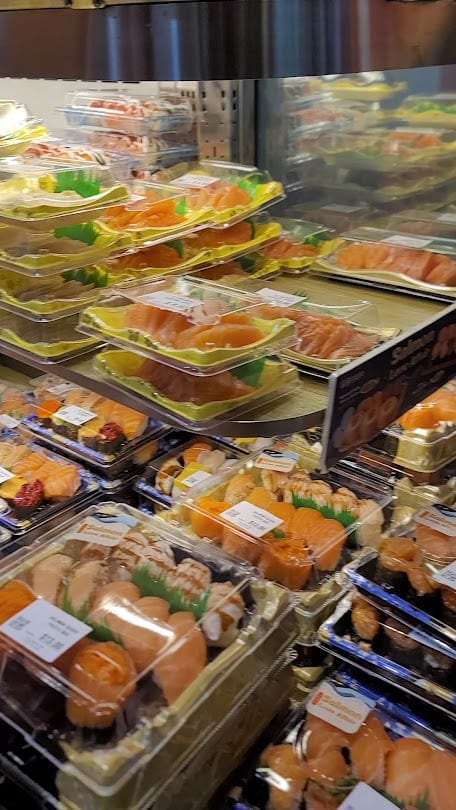
Photo: Google Maps
The cheapest way to eat sushi in Singapore, and the one that's almost certainly near you. Sushi Express keeps its signature white plates at $1.50 every day, no membership and no promo code, across more than 40 conveyor-belt outlets from Funan to Sengkang. It is not the fanciest fish in town, but for a fast, no-fuss lunch where the whole table just grabs off the belt, nothing beats the price.
- Go for: salmon and tamago off the belt, plus the seasonal plates. Everything sits at the same flat $1.50, no membership or promo code, so a whole table can pile up plates without doing sums.
- Worth it: for a fast group lunch where everyone just grabs off the belt, nothing in Singapore matches the price. The smart call when speed and cost matter more than the cut of fish.
- Where: more than 40 outlets islandwide, including NEX, Funan, Jurong Point and Hillion Mall; full list on their site.
2. Genki Sushi — Bugis & islandwide
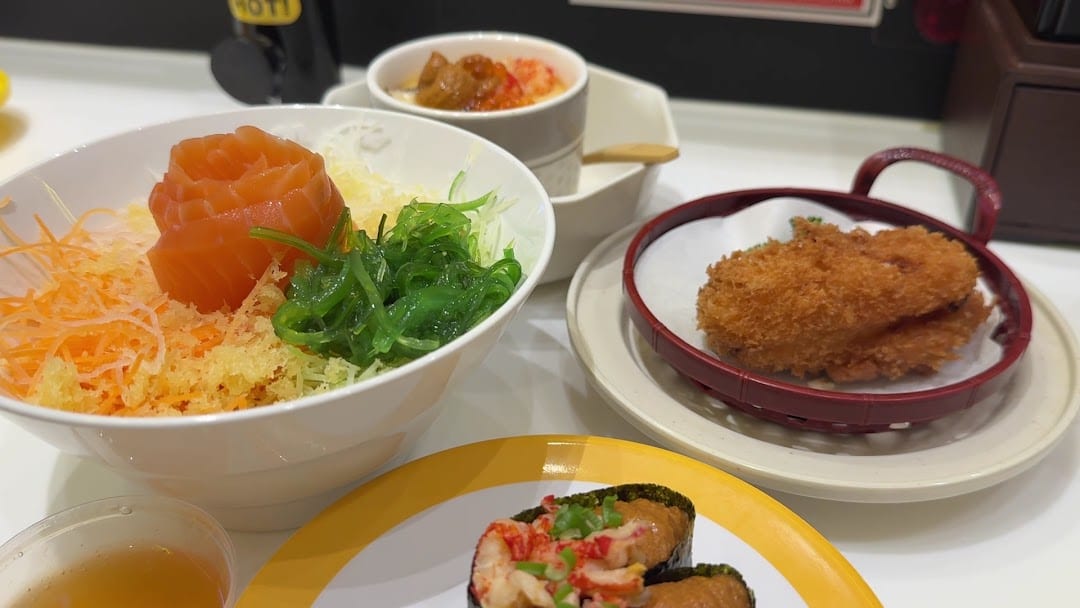
Photo: Google Maps
The one the kids ask for. Genki drops the shared belt and sends your order straight to the table on a mini bullet train, which is half the fun and keeps things hygienic. Plates start around $1.80, lunch sets from about $7.90, and there are more than 20 outlets. It sits neatly between the cheapest belts and a proper sit-down: still budget, a notch more comfortable, and reliably good for a family meal.
- Go for: tap a few plates on the tablet and let the bullet train deliver; the lunch sets from about $7.90 are the value order over plate-by-plate.
- Worth it: the pick when you have young kids in tow. The train delivery keeps them entertained, and it stays budget while feeling a notch more comfortable than the shared belts.
- Where: around 20 outlets, including Bugis+ #01-08, 313@Somerset, Junction 8, Suntec City and Jurong Point; full list on their site.
3. Sushiro — Jewel Changi & islandwide
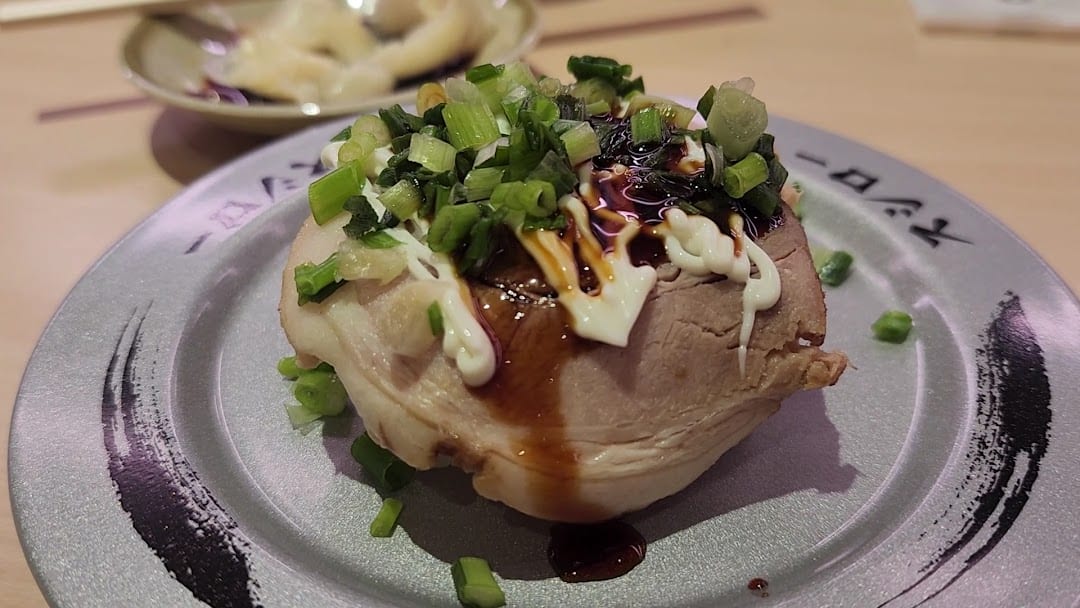
Photo: Google Maps
Our value pick, because it wins the argument that matters at this price: the fish. Sushiro is Japan's biggest conveyor chain and the newest of the big three here, and regulars rate it the best cut for the money, salmon at $2.30, fatty tuna around $4.90, grilled eel and jumbo scallop as specials. Plates cost a little more than Sushi Express, but you taste where the money went. Over 20 outlets now, with Jewel opening early for the airport crowd.
- Go for: the fatty tuna (around $4.90) and a grilled eel plate, then scan the specials board. This is where you spend a little over Sushi Express and taste the difference in the fish.
- Worth it: the smart middle if you want the best cut on a belt. A dollar more per plate than the cheapest chains buys noticeably better fish, so it earns our value pick.
- Where: around 18 outlets, including Jewel Changi Airport #B2-222, Tampines 1, Suntec City and Waterway Point; full list on their site.
4. Koji Sushi Bar — Raffles City
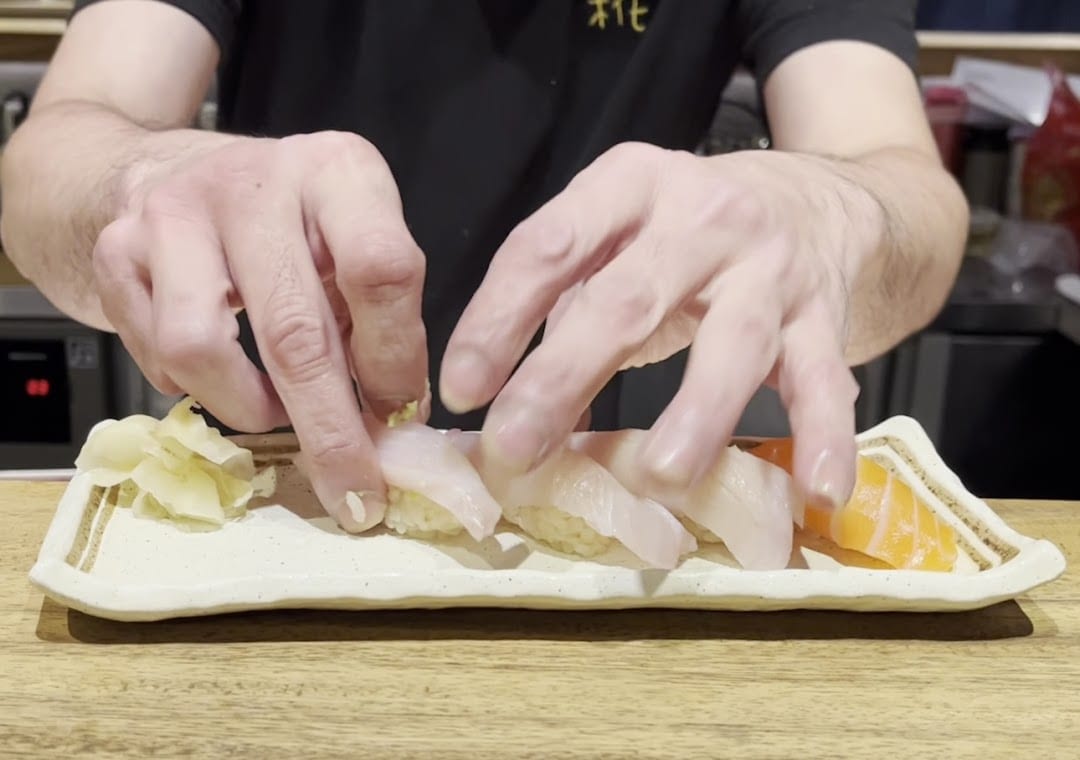
Photo: Google Maps
The office-lunch sweet spot. Koji runs a simple, quality-first menu built for the CBD crowd: nigiri sets from about $11 at the value end up to $34 for premium cuts like chutoro, plus a sashimi rice bowl around $23. Come evening it switches gears to an omakase with a good sake and shochu list. Handy branches dot the financial district, so it is an easy, fairly priced sit-down when you want fresh sushi without a reservation.
- Go for: a nigiri set at lunch from about $11, or the evening omakase if you have the time; the lunch sets are the value end, premium cuts like chutoro push up to $34.
- Worth it: the smart weekday lunch in the CBD when you want fresh nigiri fast, fairly priced and with no reservation. A quality-first sit-down that slots between a belt and a proper omakase.
- Where: Raffles City #03-28A (252 North Bridge Rd), plus Cross Street Exchange and Pickering Street.
5. Sushi Tei — Orchard & malls
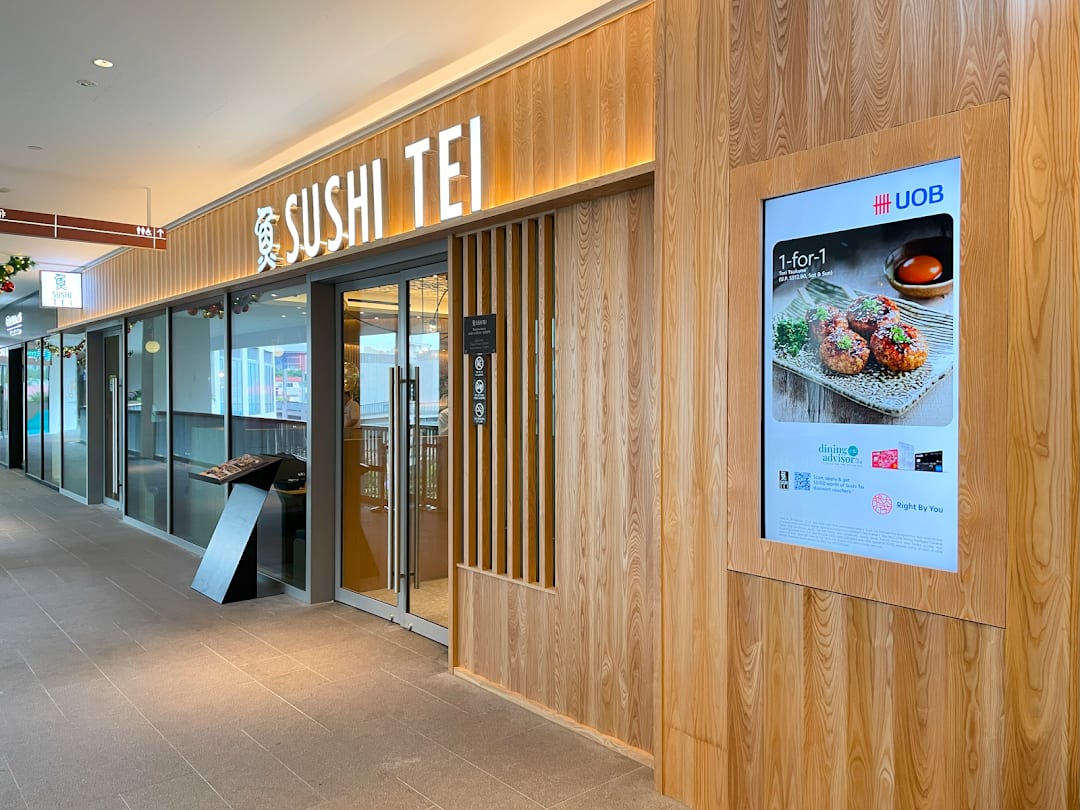
Photo: Google Maps
The default proper sit-down, and a good one. Sushi Tei is the specialty chain most Singaporeans reach for when they want more than a belt but less than an omakase: fresh sashimi, hand rolls and a broad à la carte, with lunch sets from about $13.80. Not cheap-cheap and not a splurge, just consistent across every mall it lands in. The reliable middle option when a mixed group cannot agree on where to eat.
- Go for: a sashimi lunch set from about $13.80, plus a few à la carte nigiri to share; the lunch sets are the fairest way to eat here without an à la carte bill creeping up.
- Worth it: the reliable pick for a mixed group that cannot agree. Not cheap-cheap, not a splurge, and consistent in every mall it lands in, so you always know what you are getting.
- Where: around 13 outlets, including Paragon, Jewel Changi Airport, JEM, NEX and Tiong Bahru Plaza; full list on their site.
6. Standing Sushi Bar — Odeon Towers
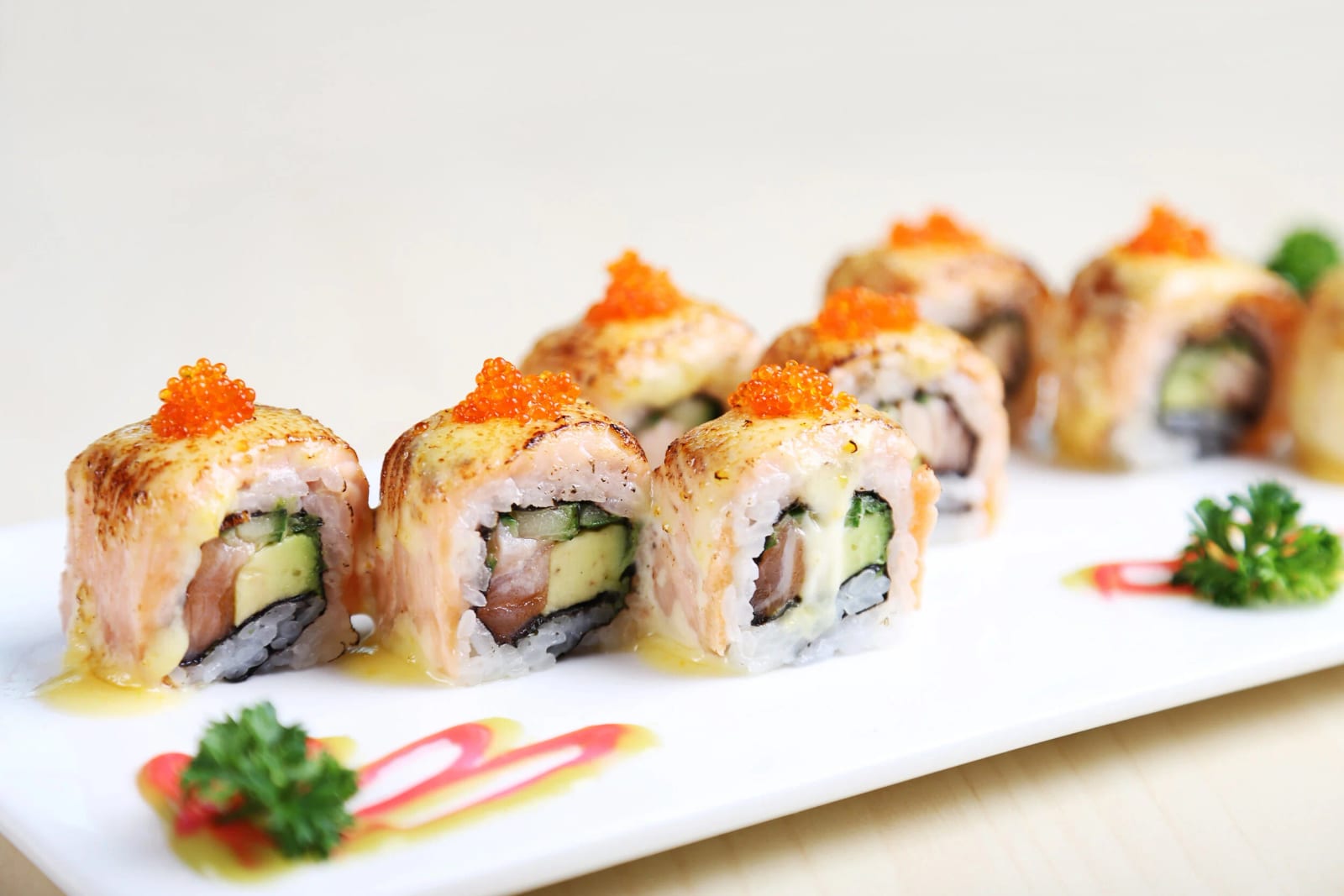
Photo: Standing Sushi Bar
The gateway to omakase, without the ceremony or the bill. Open since 2010 and modelled on the standing bars of Tokyo, this North Bridge Road counter does an approachable daily omakase from about $48, running through a starter tier, an indulgent tier and a fully torched aburi set. It is the easiest place in town to try the chef-decides format for the first time, casual, quick and central by City Hall.
- Go for: the aburi omakase if you love torched sushi, à la carte otherwise; the daily omakase from about $48 is the cheapest way to try the chef-decides format.
- Worth it: the smart first omakase. Casual, quick and central by City Hall, it gives you the format without the ceremony or the fine-dining bill, so it is the easy place to test whether omakase is for you.
- Where: 331 North Bridge Rd #01-04, Odeon Towers.
7. Teppei — Tras Link
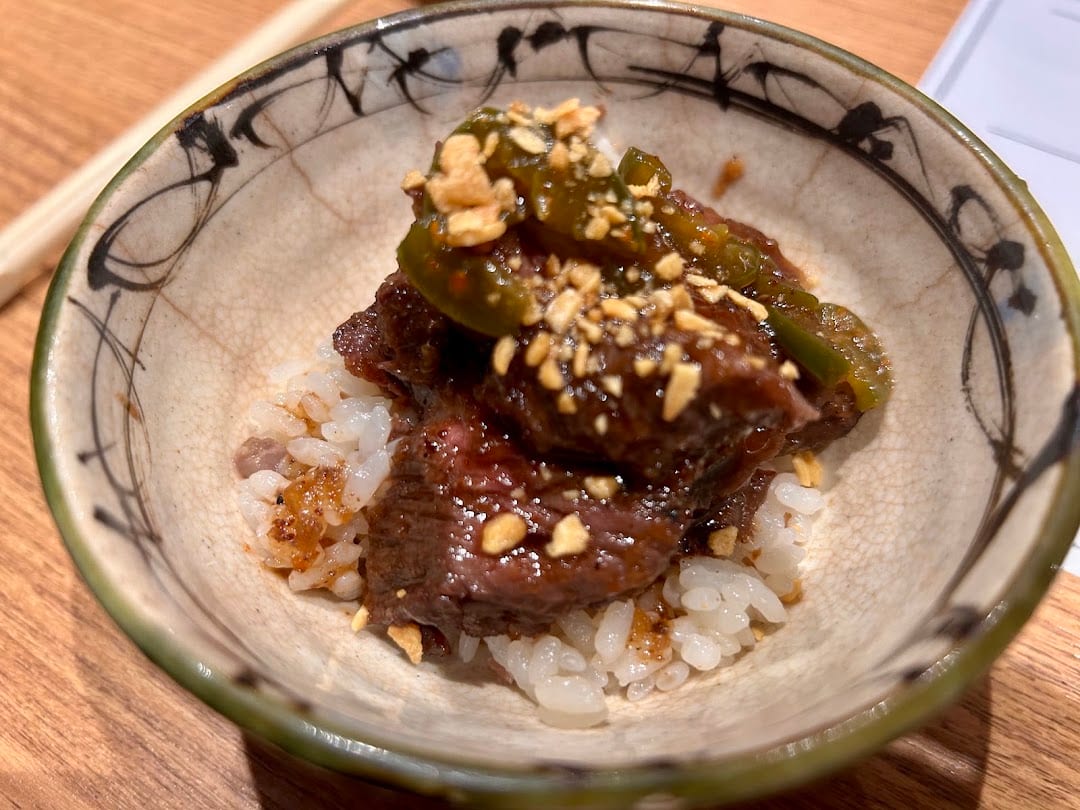
Photo: Google Maps
The value-omakase legend, and still the hardest booking on this list for a reason. Chef Teppei Yamashita's counter in Orchid Hotel runs a generous omakase at about $110++, roughly 17 courses of nigiri, cooked plates and the odd surprise, for a fraction of the fine-dining rooms. It is omakase-only, reservation-only, no walk-ins, and weekend slots vanish fast. If you want the format at its most fun and least stuffy, book early.
- Go for: nothing to order, just sit back for the set run of about 17 courses at $110++; the value is in how much omakase you get for a fraction of the fine-dining rooms.
- Worth it: for a casual dinner, Teppei gives you more omakase per dollar than almost anything else here. The smart splurge-lite if you want the format at its most fun; book early, weekend slots vanish.
- Where: 1 Tras Link #01-18, Orchid Hotel.
8. Omakase @ Stevens — Novotel on Stevens
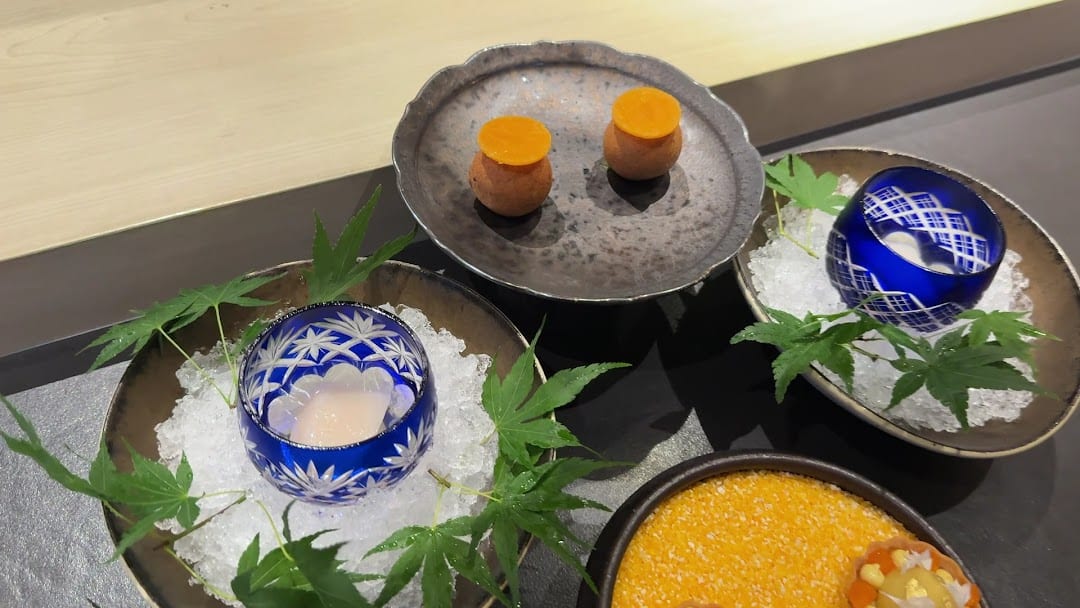
Photo: Google Maps
The most interesting of the one-star rooms. Chef Kazuki Arimoto, who took a Michelin star and the Young Chef Award, blends Edomae technique with French cooking across a 16-seat counter facing the open kitchen. The seasonal menu runs from about $238 for six courses up to $333 for nine. It keeps its star in the 2026 guide, and it is the pick if you want an omakase that plays outside pure tradition.
- Go for: six courses from about $238, or the full nine-course menu at $333 if you are marking an occasion; the shorter menu still gets you the counter and the crossover cooking.
- Worth it: the one-star pick when you want Edomae technique crossed with French cooking rather than textbook sushi. The smart choice for an occasion where you would rather have something less expected on the counter.
- Where: 30 Stevens Rd #01-03, Novotel Singapore on Stevens.
9. Ginza Sushi Ichi — Marriott Tang Plaza
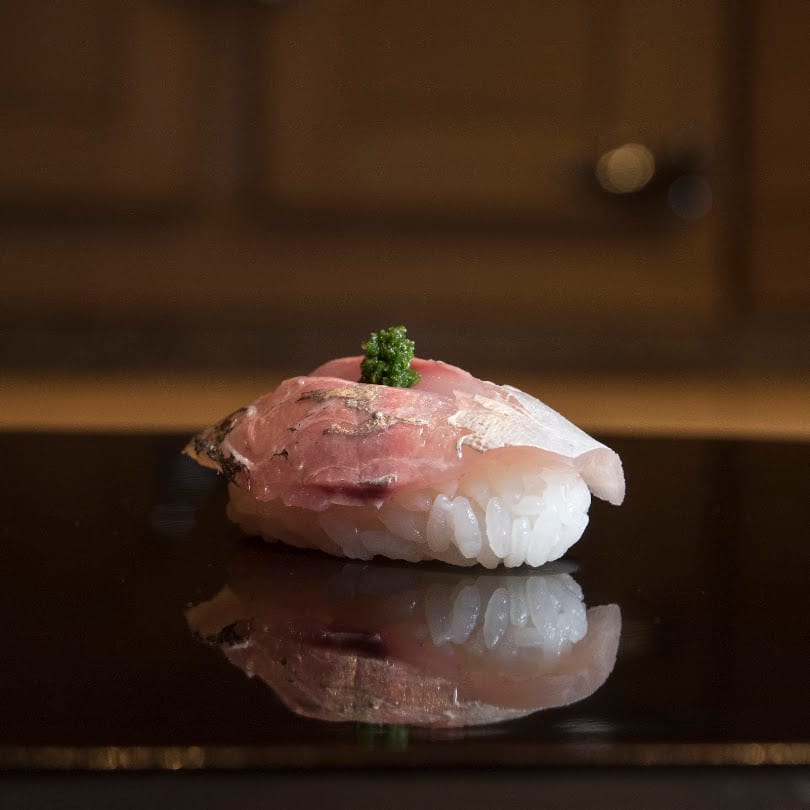
Photo: Google Maps
The most consistent star on the list. This Orchard outpost of the Ginza original has held its Michelin star for close to a decade, with fish flown in from Japan several times a week and a classic, no-gimmicks Edomae style. The omakase nigiri lunch runs around $270++, dinner climbs higher. If you want the traditional, deeply reliable version of a starred sushi counter, this is the safe bet.
- Go for: the nigiri lunch omakase at around $270++, the gentlest way into the room; lunch sits well below the dinner sitting for the same classic Edomae craft.
- Worth it: the safe bet for traditional, no-gimmicks starred sushi. Worth it when you want a counter that has held its star for close to a decade and values consistency over showmanship.
- Where: 320 Orchard Rd #01-04, Singapore Marriott Tang Plaza Hotel.
10. Hamamoto — Tras Street
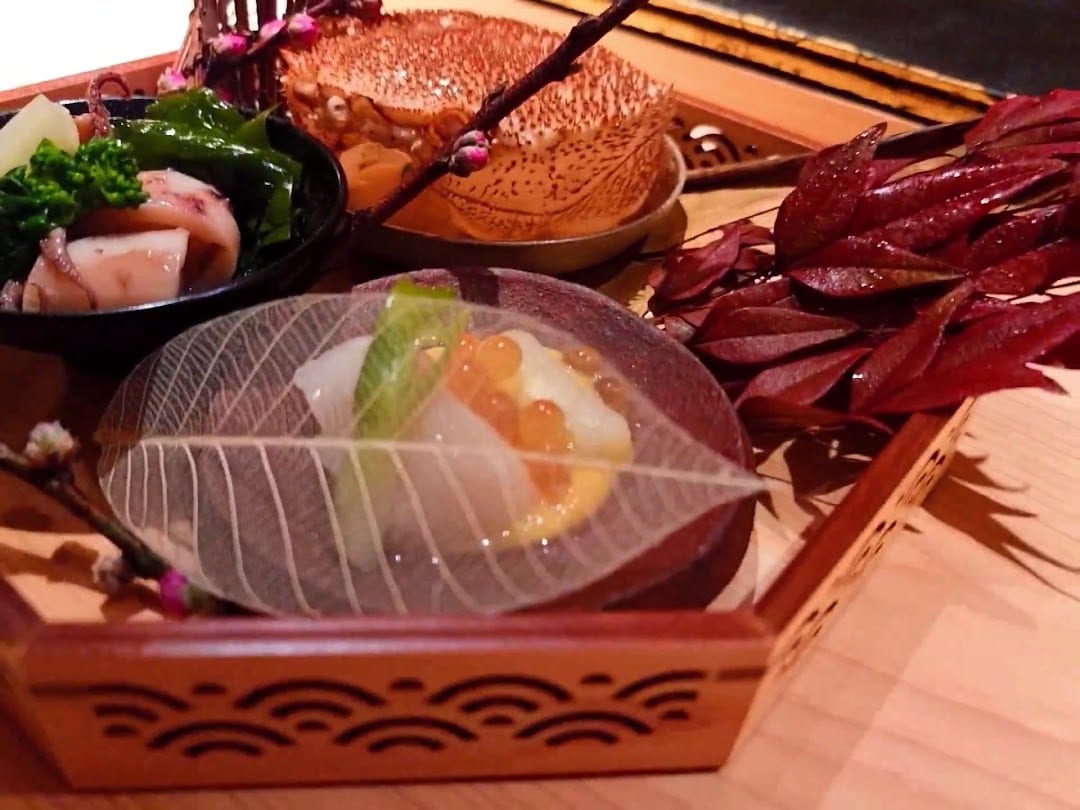
Photo: Google Maps
A star that punches at the value end of fine dining. Chef Kazuhiro Hamamoto's Tras Street counter earns its Michelin star with a tight Edomae omakase, and its lunch Sushi Experience at about $280 is one of the more attainable one-star sittings in town: a seasonal appetiser, a couple of cooked dishes, eight nigiri, soup and dessert. Dinner steps up to the Hamamoto Classic ($425) and the Hamamoto Experience ($550) for the full run.
- Go for: the lunch Sushi Experience at about $280: appetiser, a couple of cooked dishes, eight nigiri, soup and dessert. Dinner steps up to the $425 Classic and $550 Experience, so lunch is the value sitting.
- Worth it: the smart call for a first one-star omakase. The lunch is one of the more attainable starred sittings in town, so you get the star at its friendliest price.
- Where: 58 Tras St.
11. Sushi Sakuta — Millenia Walk
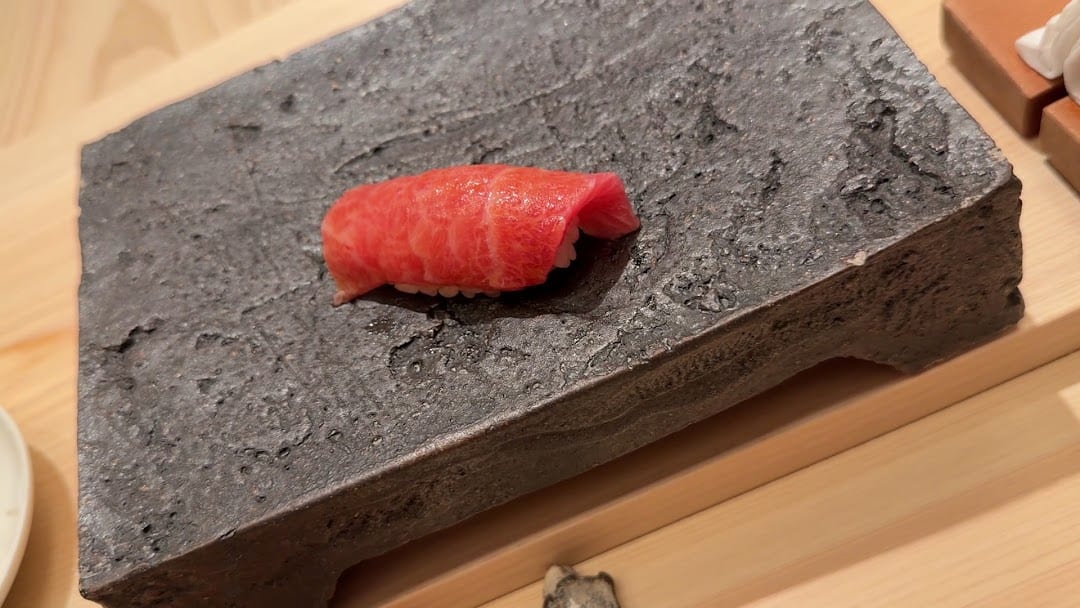
Photo: Google Maps
The city's newest two-star sushi story. Chef Yoshio Sakuta's Edomae counter was promoted to two Michelin stars, then reopened in late 2025 at Millenia Walk around a ten-seat counter carved from a single 200-year-old hinoki cypress. Lunch runs $350++ or $500++, dinner is one menu at $500++. Quieter and more discreet than the famous names, it is a serious splurge that rewards diners who care about the craft over the scene.
- Go for: the longer lunch menu ($350++ or $500++) for the fuller nigiri run; lunch sits below the single $500++ dinner menu, so it is the more forgiving way into two stars here.
- Worth it: worth it for diners who care about the craft over the scene. Quieter and more discreet than the famous names, it is a serious splurge that rewards paying attention to what is on the counter.
- Where: 9 Raffles Blvd #01-06, Millenia Walk.
12. Shoukouwa — One Fullerton
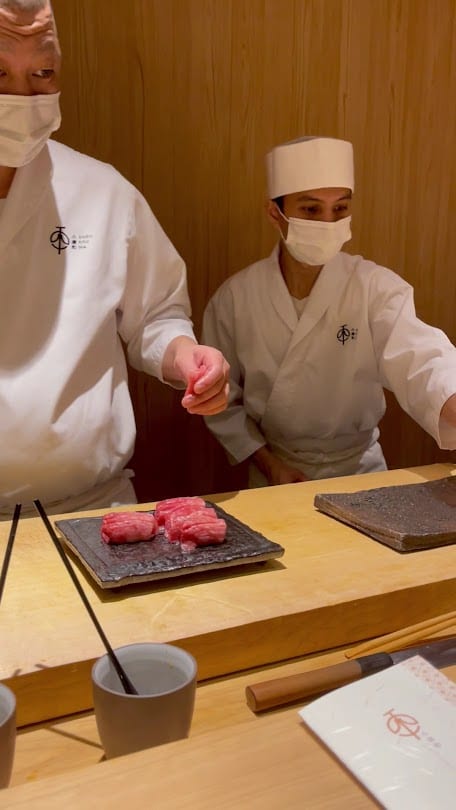
Photo: Google Maps
The top of the tree, and a decade deep into two stars. Shoukouwa at One Fullerton does Edomae sushi at its most exacting, with fish following the Toyosu market calendar (it closes on the market's off days). Dinner omakase is $680++, so lunch is the more forgiving way in: the Miyabi set from about $380++, or the 16-course Hana at $520++. This is the occasion splurge, the one you book for a milestone with a bay view thrown in.
- Go for: a lunch set first, the Miyabi from about $380++ or the 16-course Hana at $520++; save the $680++ dinner for the real celebration. Lunch is the far more forgiving way in.
- Worth it: the occasion splurge, the one you book for a milestone with a bay view thrown in. Booking the lunch set gets you two-star Edomae at its most exacting without the full dinner bill.
- Where: 1 Fullerton Rd #02-02A, One Fullerton.
Other names worth knowing
The spots people search for a lot that sit just outside our 12, and where they fit.
- Itacho Sushi (Orchard and malls). The handmade-sushi mall chain, fish brought in from Japan, à la carte or by platter. A dependable no-booking option when you want a step up from a belt.
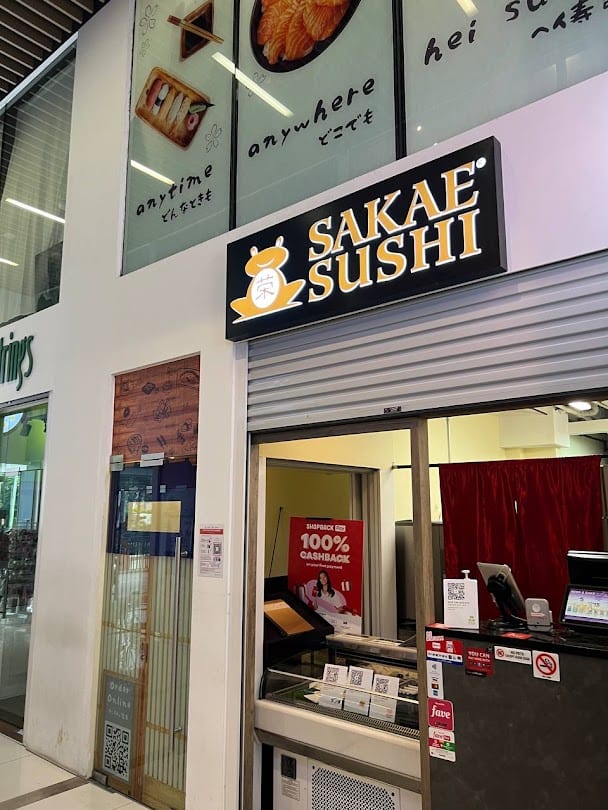 Sakae Sushi (islandwide). The long-running local conveyor-and-set chain, sets from about $10. Everywhere, easy, family-friendly.
 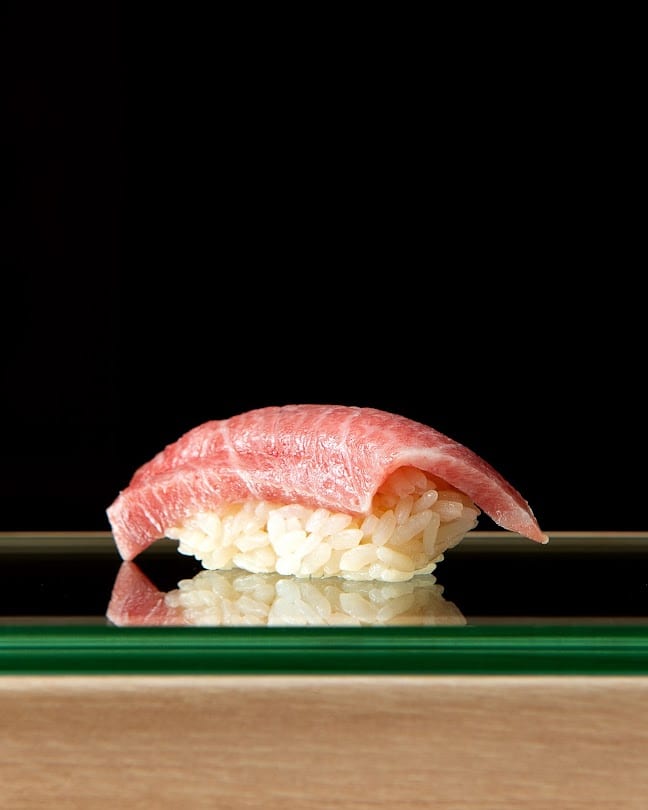 Sushi Kimura + (Conrad Orchard). Chef Tomoo Kimura's return, a one-Michelin-star eight-seat counter that reopened in 2025. Ultra-intimate and omakase-only; book direct for current pricing.
 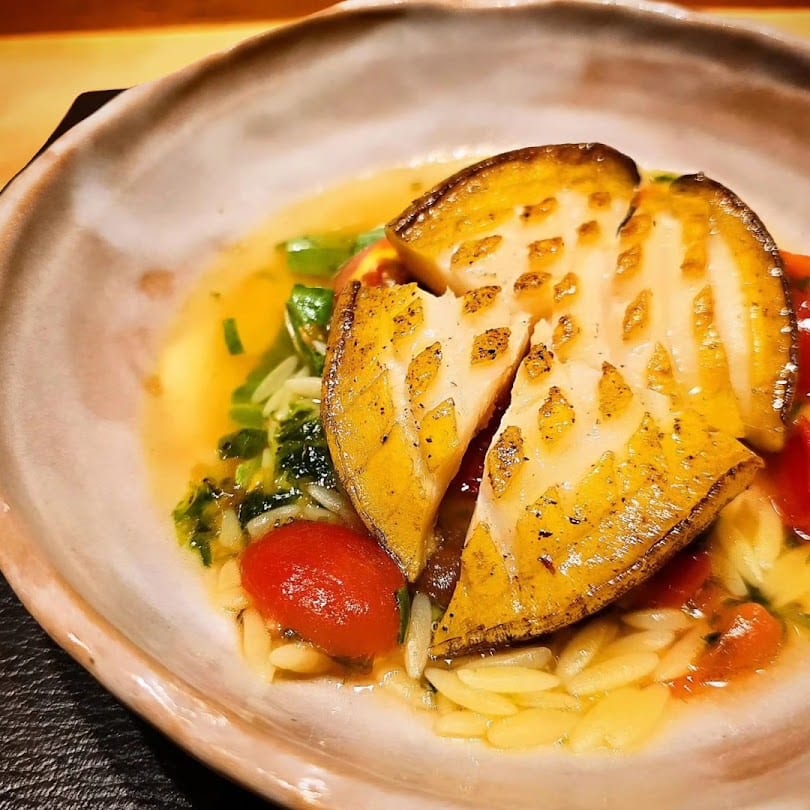 Waku Ghin (Marina Bay Sands). Chef Tetsuya Wakuda's one-star room; contemporary Japanese with a sushi element rather than a pure sushi-ya, but a bucket-list meal.
 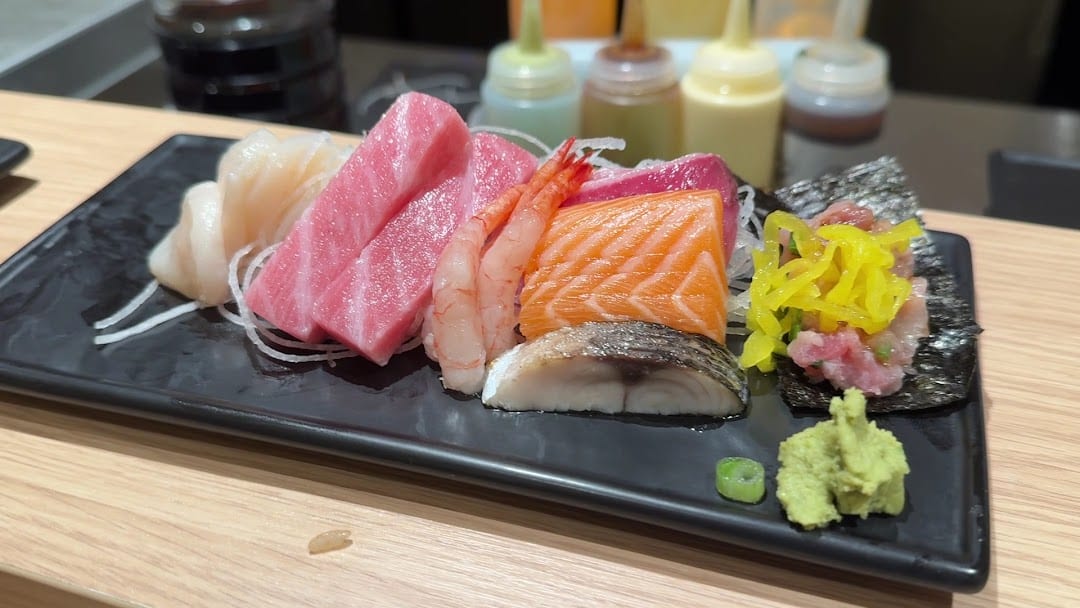 Sushidan (town). A Michelin-chef import that opened here in late 2025 with an entry omakase from $19.90, the cheapest omakase headline in the city if you want the format on a budget.
 What locals actually recommend (the Reddit take)
Search Reddit or ask around and the same advice comes up: match the spend to the occasion and do not overpay for a name.
For an everyday fix, Singaporeans point to the belts (Sushiro for fish, Sushi Express for price) rather than a mid-tier chain that costs more without tasting better.
For a splurge, the counsel is to book a lunch omakase over dinner, since you get most of the same craft at a real discount, which is exactly why our omakase picks lead with their lunch prices.
Sushi and Michelin in Singapore
Looking for the "Michelin sushi" shortlist? Here is how the 2026 MICHELIN Guide Singapore stacks up the sushi and sushi-leaning names:
- Two stars: Shoukouwa (One Fullerton, our #12) and Sushi Sakuta (now at Millenia Walk, our #11).
- One star: Hamamoto (Tras St, #10), Sushi Ichi (Orchard, #9), Sushi Kimura + (Conrad Orchard), Omakase @ Stevens (#8, listed under innovative cuisine) and Waku Ghin (Marina Bay Sands, Japanese contemporary).
A star buys you the counter, the sourcing and the pacing; the lunch sittings are where those rooms get within reach.
Halal, conveyor and value: reading the tiers
Two practical notes before you pick. First, halal: most sushi restaurants in Singapore are not halal-certified, so a mixed group is safest at a certified Japanese spot rather than assuming; see our wider Japanese restaurants guide for options.
Second, the ++: the omakase counters add 10% service charge and 9% GST, so a "$280++" lunch lands closer to $335 on the bill, and a "$680++" dinner nearer $815. Belt and set-lunch prices (Sushi Express, Genki, Sushiro, Koji) are the ones you can take at face value.
Sushi near you (by area)
Where the picks cluster, so you can eat closest to home.
- City & CBD: Koji (Raffles City), Standing Sushi Bar (Odeon Towers), and the two-star Shoukouwa (One Fullerton) by Raffles Place.
- Orchard: Sushi Tei (Paragon), Ginza Sushi Ichi (Marriott Tang Plaza) and Omakase @ Stevens, a short hop up Stevens Rd.
- Tanjong Pagar: the omakase belt, Teppei (Orchid Hotel) and one-star Hamamoto (Tras St), a couple of streets apart.
- Marina & Promenade: two-star Sushi Sakuta at Millenia Walk.
- East & heartlands: Sushiro at Jewel and Tampines 1, plus Sushi Express and Genki in nearly every mall.
So which one should you go to?
- Cheapest good plate: Sushi Express ($1.50) for price, Sushiro (~$2.30) for the best fish on a belt.
- With young kids: Genki, for the bullet-train delivery and the tablet ordering.
- A proper sit-down, no booking: Sushi Tei or Koji Sushi Bar.
- First omakase, low stakes: Standing Sushi Bar (from ~$48) or the cult-value Teppei (~$110).
- A one-star occasion at a fair price: Hamamoto's or Ginza Sushi Ichi's lunch omakase.
- The big celebration: Sushi Sakuta or Shoukouwa, the two-star rooms; book the lunch set to soften the bill.
More Singapore food guides
Same honest, homework-done approach for other Japanese cravings: our best Japanese restaurants in Singapore and best ramen in Singapore, plus our best buffets in Singapore for the all-you-can-eat crowd.
Sushi in Singapore: quick questions
How much does sushi cost in Singapore?
Conveyor-belt plates run about $1.50 to $3 each (Sushi Express, Genki, Sushiro), a mid-range sit-down or set lunch is roughly $12 to $35 (Sushi Tei, Koji), and omakase counters range from about $48 at the casual end (Standing Sushi Bar) up to $680 for a two-star dinner (Shoukouwa). Omakase prices are quoted "++", so add 10% service and 9% GST.
Which is the best omakase in Singapore?
For the top tier, Shoukouwa (One Fullerton) and Sushi Sakuta (Millenia Walk) are the two two-Michelin-star sushi-ya. For a one-star occasion at a friendlier price, Hamamoto and Ginza Sushi Ichi both do lunch omakase from around $280. For a first omakase, Standing Sushi Bar (from ~$48) or Teppei (~$110) are the easy entry points.
What is the cheapest sushi in Singapore?
Sushi Express, whose white plates are $1.50 every day across more than 40 conveyor-belt outlets. Genki (from about $1.80) and Sushiro (from about $2.30) are the next step up, with Sushiro widely rated the best fish among the belts.
Which sushi has a Michelin star in Singapore?
In the 2026 guide, Shoukouwa and Sushi Sakuta hold two stars. One-star sushi and sushi-leaning names include Hamamoto, Sushi Ichi, Sushi Kimura +, Omakase @ Stevens and Waku Ghin.
Is there cheap omakase in Singapore?
Yes. Standing Sushi Bar runs a daily omakase from about $48, Teppei offers a generous set omakase at around $110++, and Sushidan, a Michelin-chef import that opened in late 2025, has advertised an entry omakase from $19.90. These give you the chef-decides format without the fine-dining bill.
What is the difference between conveyor-belt sushi and omakase?
At conveyor-belt spots you pick plates yourself off a belt or order to the table, paying per plate from about $1.50. Omakase means "I leave it to you": the chef sets a fixed run of courses at the counter, plated in front of you, usually by reservation. Belts are cheap and quick; omakase is a pricier, slower, occasion meal.
Do I need to book sushi restaurants in Singapore?
Not for the belts (Sushi Express, Genki, Sushiro) or most set-lunch spots (Sushi Tei, Koji), where you can walk in. Omakase counters are reservation-only, and the popular ones like Teppei and the starred rooms can book out weeks ahead, so plan those in advance.
Where can I get late-night or supper sushi in Singapore?
The conveyor chains generally follow mall hours and close by about 10pm, so they are not a supper option. For late Japanese food, you are better off with a 24-hour or late-night Japanese diner; check our Japanese restaurants guide for spots that run past midnight.
Related guides
 13 Best Chicken Rice in Singapore: Famous Hainanese Plates, from Michelin Stalls to Heartland Gems (2026)
 12 Best Chilli Crab in Singapore: Black Pepper, Salted Egg & the Best Value Picks (2026)
 9 Best Fish Soup in Singapore: Teochew Clear vs Cantonese Milky, and Which Is Worth the Queue (2026)
 10 Best Japanese Restaurants in Singapore: From $16 Unagi Bowls to Wagyu Rooms, Every Price Checked (2026)
 11 Best Korean Fried Chicken in Singapore: Crispy Chimaek, Snow-Cheese Wings and Halal Chains, from Somerset to the Heartlands (2026)
 7 Best Nasi Briyani in Singapore: Local Nasi vs Hyderabadi Dum, the Heritage Names & What a Plate Really Costs (2026)